


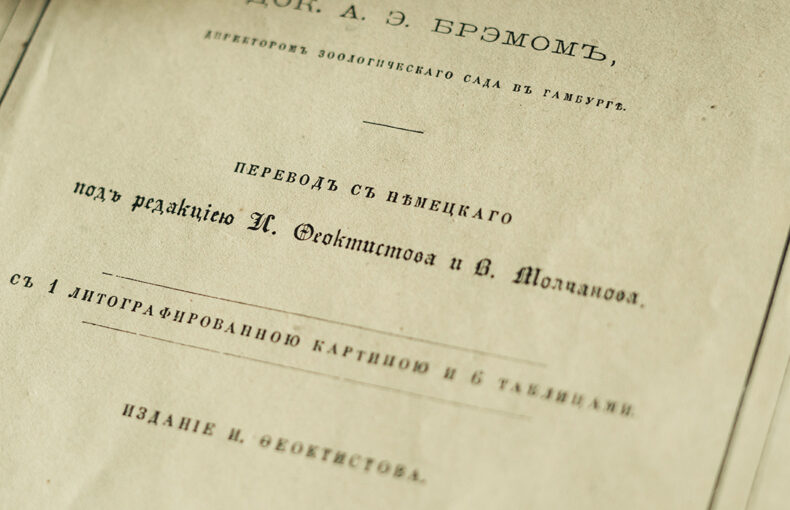
Ancient and rare books always create a unique feeling. When you realize the distance between the generations of those who flipped through these pages in the quiet evenings, who plunged into the strange world created by the author, you feel part of the universe. We want to tell you about one of the most important books of many generations of curious people
Have you ever wondered what the process of finding the necessary information is today? Access to the World Wide Web, little time – and the answer to almost any question is ready. There is a lot of information available in free access: here and specialized knowledge (if desired, in electronic form you will find an interpretation of the term, phenomenon or process), and translation of the necessary information from different languages, available through Google services in seconds. And if you add videos, virtual reality glasses or other latest technical developments to the tools of cognition, it becomes clear that the process of obtaining information has become something ordinary and completely familiar to us. Therefore, we hardly think about how and where scientific knowledge came from, how much effort scientists and specialists made to acquire, systematize and disseminate it. However, a hundred or two hundred years ago, the process of finding, recording and transmitting new information was completely different, and therefore much more valuable.
In the library collection of the Zhytomyr Regional Museum of Local Lore, among a large number of unique publications, there is a small edition – the book «Life, customs and customs of monkeys», authored by a prominent German zoologist and traveler Alfred Edmund Bram.
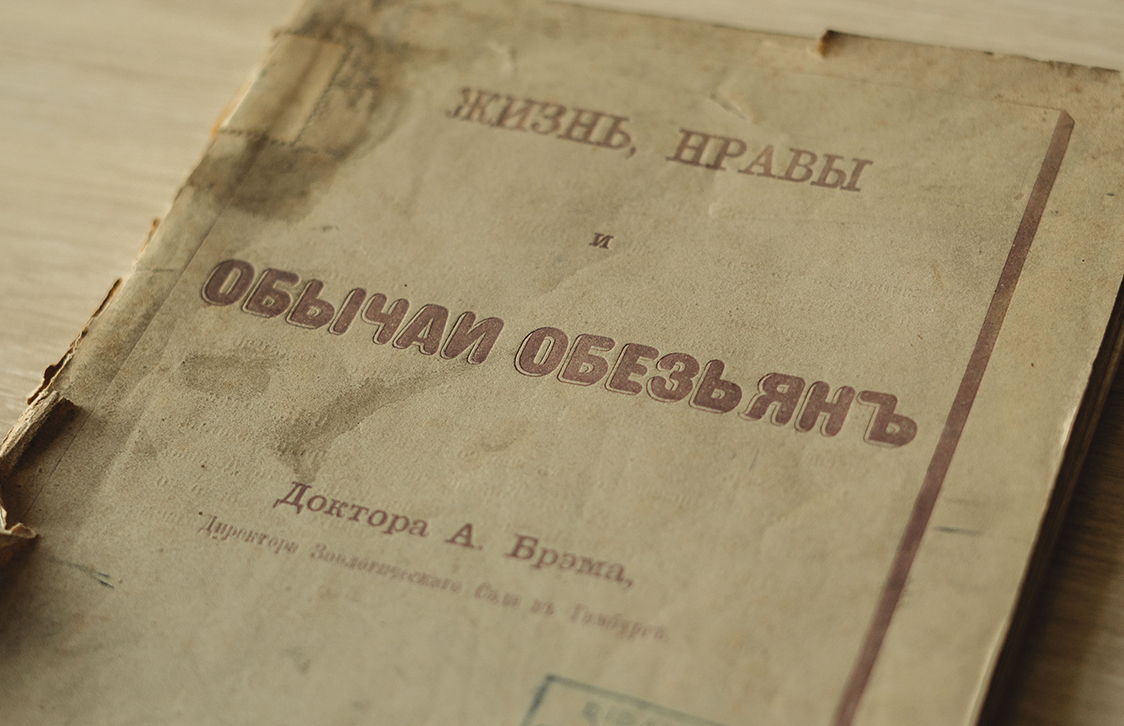
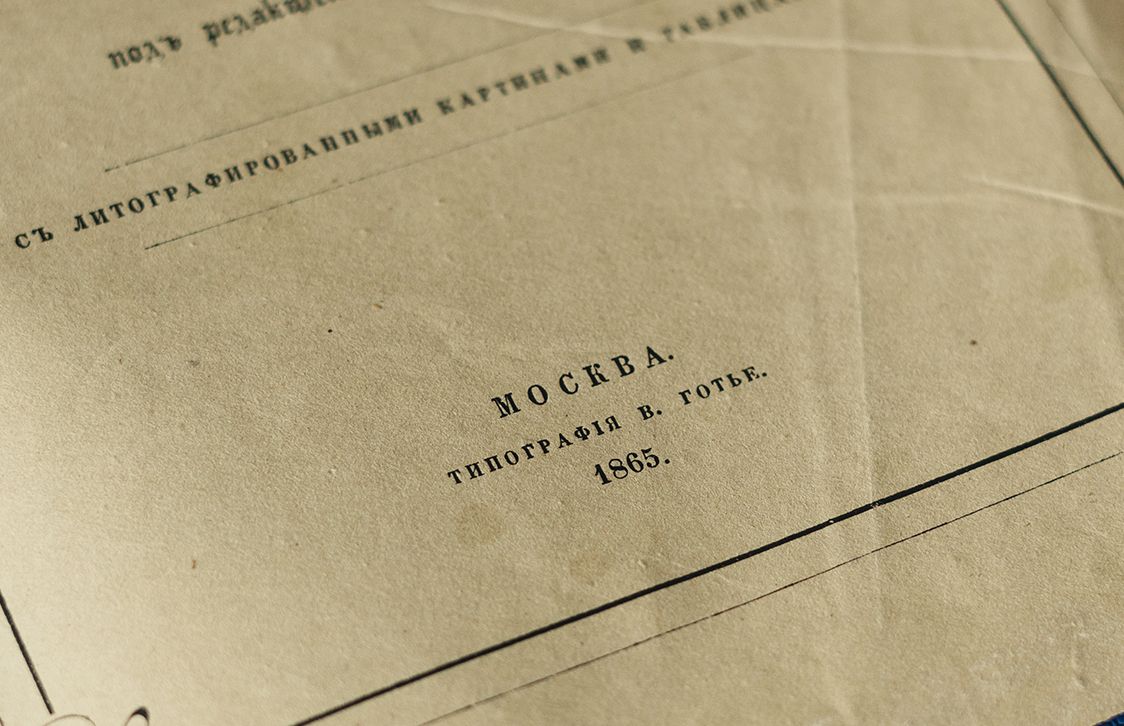
Under the inconspicuous grayish-yellow cover with almost torn off roots and spots, there is a huge amount of analytical information about the life of primates on the globe. This book is part of Bram’s world-famous popular science work, Animal Life. The edition of the Moscow printing house «Gauthier», published in 1866, with only a few not very realistic, but high-quality black and white lithographic drawings of monkeys and not very relevant scientific information to us, readers of the XXI century, may seem a little naive or even funny. But when analyzing the publication critically, it is worth remembering that most of the data in the book were obtained by a zoologist during travels that were in fact very complex, dangerous and costly scientific expeditions. To understand the scale of such work, it is worth recalling some facts from the biography of Alfred Bram.
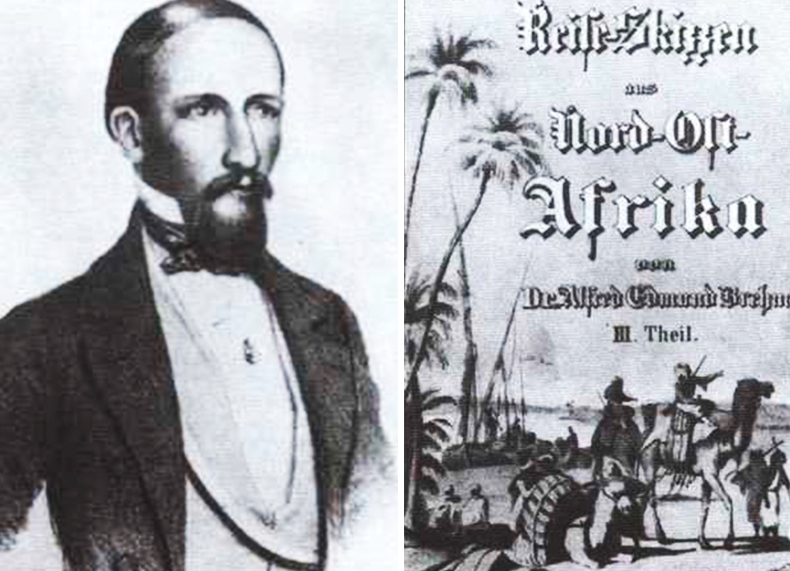
Alfred Bram lived in Africa for five years, which were full of hardships: the naturalist contracted a fever, almost died on the Nubian rapids, miraculously escaped from a wounded hippopotamus, lost his brother and repeatedly found himself in a difficult financial situation. In addition, due to his absence, Alfred Bram missed a military call-up, for which he had to pay a serious fine. His father had to use his authority and address the authorities with a detailed letter explaining: «The thirst for knowledge prompted him at the request of Baron von Mueller forward to 13 degrees north latitude, where travelers in 2000 hours from here were subjected to incredible hardship and suffering… In this way, my son has completely sacrificed himself for the science to which he has dedicated himself and for which he risks his life». Fortunately for you and me, Bram never got into military service, and after completing his trip in 1852, he began studying at the University of Jena. Alfred Bram was extremely fortunate with his professors, as in those years the most experienced European zoologists taught at the university: the anatomist Karl Gegenbauer, whose scientific hypotheses are being studied today by zoologists at Cambridge University, the scientist and philosopher Ernst Haeckel, a follower of Charles Darwin`s theory. This period of the institution’s activity could be called the heyday of zoology – the atmosphere itself encouraged to quickly share the results of research expeditions. Therefore, the young scientist Alfred Bram published three volumes of his African diaries without hindrance, which aroused keen interest of readers and very quickly went to bookstores.
After the success of «Travels in Africa» and through collaboration with various popular science publications, Bram was offered to write an encyclopedic publication about animals. The result of the work – the book «Animal Life» – was published by the famous Bibliographic Institute in the period from 1863 to 1869 in Germany. Other scientists worked with Bram on the publication: the entomological part was taken over by Professor Taschenberg, the German zoologist Eduard Oscar Schmidt wrote the part «Niederen Thiere», dedicated to lower animals. Also an incredibly important part of the encyclopedic edition were its illustrations created by artists Kretschmer and Emil Schmidt. Interestingly, the translated version of Bram’s book was illustrated by Gauthier not by original lithographs by German artists, but by other illustrators which were better at landscapes and human portraits. At that time there were many eminent researchers – experts in the animal world, but it was Alfred Bram who described the animal world so comprehensively that the publication was rightly called «life» in the full sense of the word. The book and its individual parts became popular far beyond its homeland, translated and repeatedly published in other countries, including the Russian Empire. The publication has become a table book not only for specialists – zoologists, but also for all who are simply interested in the life of animals. Hunters, villagers, poultry lovers – everyone could learn from this book the detailed traits of the lives of their pets, the peculiarities of their diet, habits or habitats in the wild.
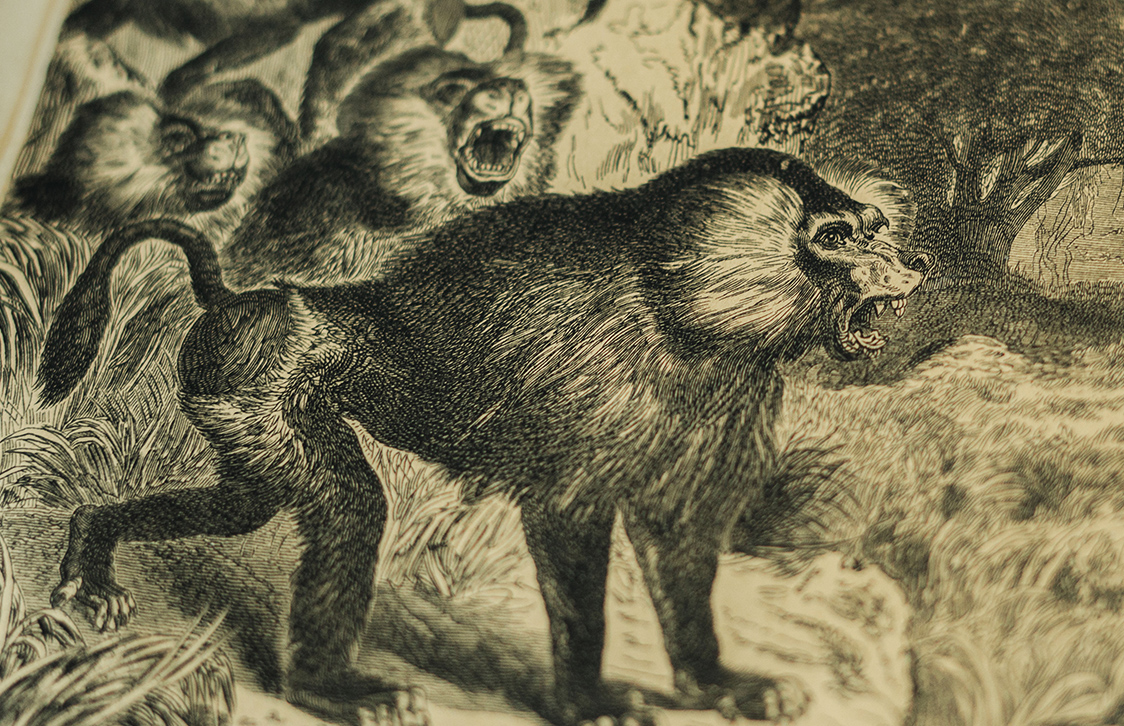
Critics have argued that much of Bram’s work was based on the stories of hunters and travelers and has not been scientifically substantiated, that the author, in contrast to the taxonomy, pays more attention to the reflection on how useful this or that species of animal is for man, even from a practical or aesthetic point of view. But at the same time the author compares and identifies the behavior of primates with human: «the face can not be worse distorted by malice», «the main tool of attack on her hands, which she owns as a skilled boxer». In addition, Brams’ book is interesting for ethnographic information, as some species of monkeys are still part of the diet of some indigenous tribes of South America.
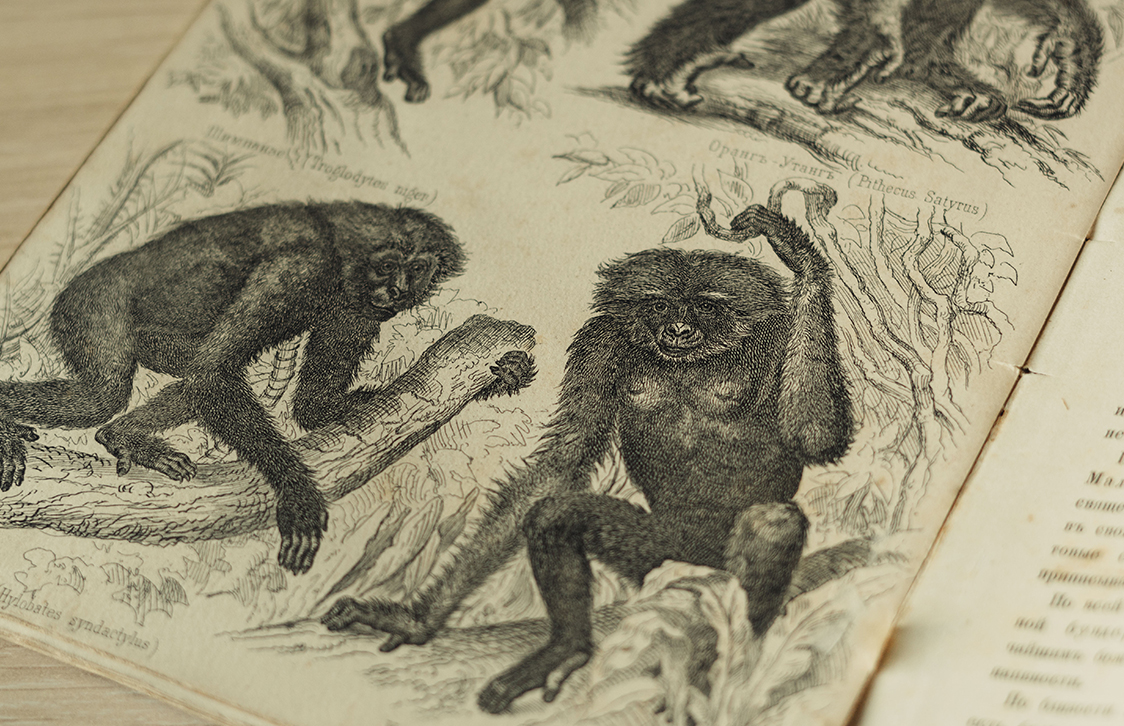
This is now when scientists are observing the hidden life of animals with the help of cameras and video cameras; having previously made them asleep, they study the internal structure of certain species, using ultrasound machines, tomographs and other high-tech equipment, and thorough information about animals does not seem extraordinary to us. But in the time of Alfred Bram, the zoologist had to constantly monitor the object, hunt and kill animals to dissect and study the internal structure to collect any data. By the way, if there had been a movement of environmental activists then, they would undoubtedly have already opened criminal proceedings and ruined the careers of scientists.
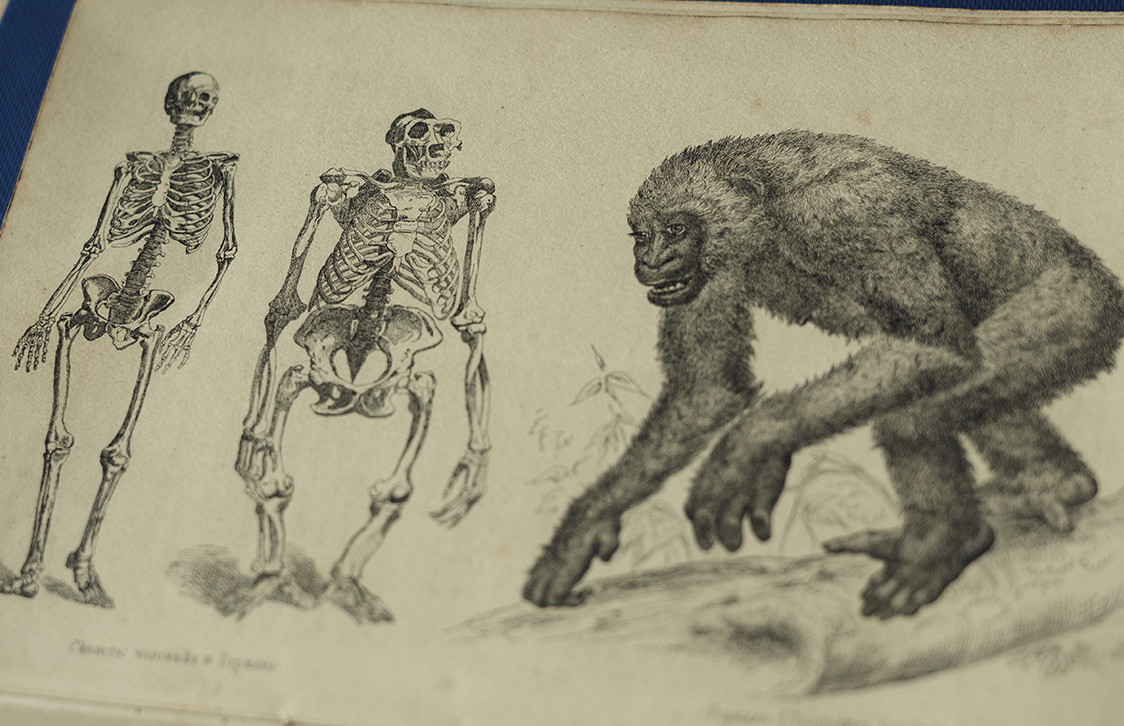
It is undeniable that Alfred Bram made the almost impossible from the point of view of popularizing scientific knowledge: his «Animal Life» became first one of the most popular table books in Europe, and later in the world. Bram’s scientific works, written in a fascinating and understandable way, allowed people who had never traveled outside their county or province to have at least a general idea of the world around them and the animals that inhabited it. Reading such books finally freed the curious from the onslaught of fiction in the geographical descriptions of other lands. Since its publication, Bram’s books have become extremely valuable, fashionable, and a must-have in any private library.

Even today, the presence in the private library of the encyclopedia «Animal Life» supplemented by the comments of scientists and modern photos is almost an indisputable fact, especially in families raising children. At the same time, in anticipation of the next edition of the books in the series, they subscribed to them and read them upon receipt! That’s right, read, not just put on the shelf. A copy of the book «Life and customs of monkeys», which is stored in the library collection of the Zhytomyr Regional Museum of Local Lore, is no exception. On the back of the title page there is an inscription made by hand in black ink: «From the booksof I.M. de Chaudouard».
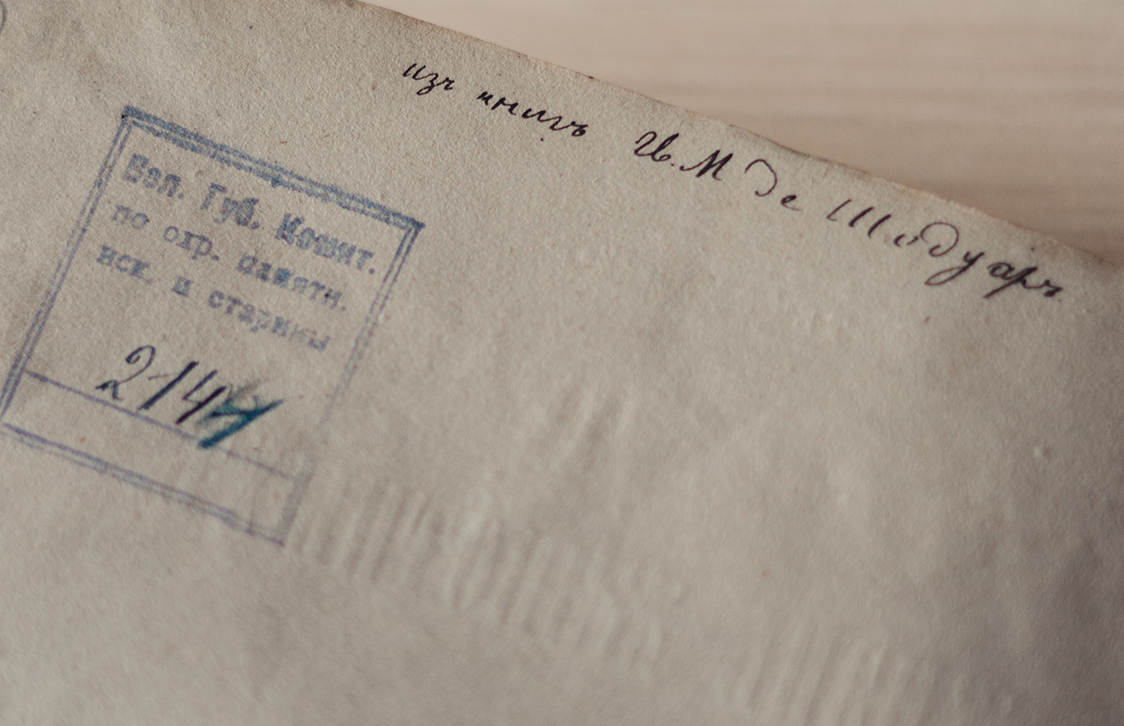
We can assume that little Ivan, who was eight years old at the time, had the book written by his father, the famous entomologist Maximilian de Chaudouard, and the publication has since become part of his private library. When the collection of the Chaudouard family was transferred to the Museum of Local Lore, some of the books from the private library also came here. Despite the fact that the most valuable publications from the collection in Soviet times were distributed among various scientific institutions, the book «Life and customs of monkeys» remained in the library collection of the museum and is now available to connoisseurs. And we, flipping through the yellowed pages of this amazing book, can say with confidence that love of work, devotion and thirst for knowledge glorify a person forever.


