


The era of national liberation struggles of 1917-1921 went down in history as a period marked by the search for new political solutions and sharp confrontations between representatives of various camps and projects. The coexistence of different governments, political competition led to the emergence of legislation that should regulate different spheres of society, but in fact contradict each other. Problems were acutely felt in all spheres of life. The spheres of money circulation, financial and banking also suffered from the general chaos
Zhytomyr became a city where, due to political circumstances, a significant event took place on March 1, 1918 in the building of the former noble assembly: The Mala Rada, chaired by Mykhailo Hrushevsky, passed the Law on the Currency, Coinage and Printing of State Credit Tickets. This is how the national currency was “born”. Since then, banknotes of 2, 10, 100, 500 hryvnias have been introduced at a ratio of 2 hryvnias to 1 ruble. Unfortunately, the building where this historic event took place has not survived – in its place on Velyka Berdychivska Street is now the polyclinic of the Central City Hospital № 1. The successor of the Ukrainian Central Council, the Ukrainian state of Hetman Pavlo Skoropadsky, is marked in history as the quietest period of those turbulent times.
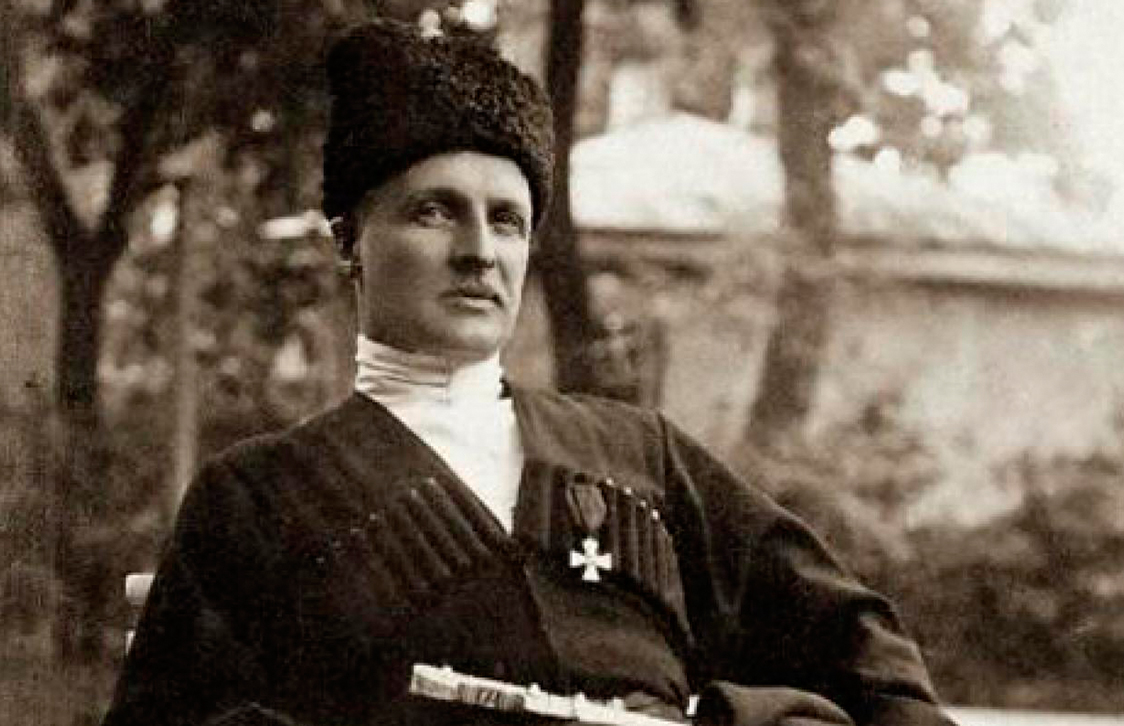
The authorities tried to distance themselves as much as possible from the all-Russian monetary system. In this situation, the employees of the Zhytomyr branch of the state bank needed clarifications, which they periodically received from the management. One of the letters received in August 1918 stated that “Russian old credit cards must be marked with appropriate signs of destruction,” and remittances from Russia cannot be paid. The management also informed the bank’s employees about the changes in the remuneration system and the introduction of new staffs. Almost a century ago, surcharges were set at 40-50% for hard work, daily, “Plekhanov”. The amount of surcharges sometimes depended on the cost of living in a particular region. The government also set tax rates, for example, it was proposed to withhold 2% of the pension fund.
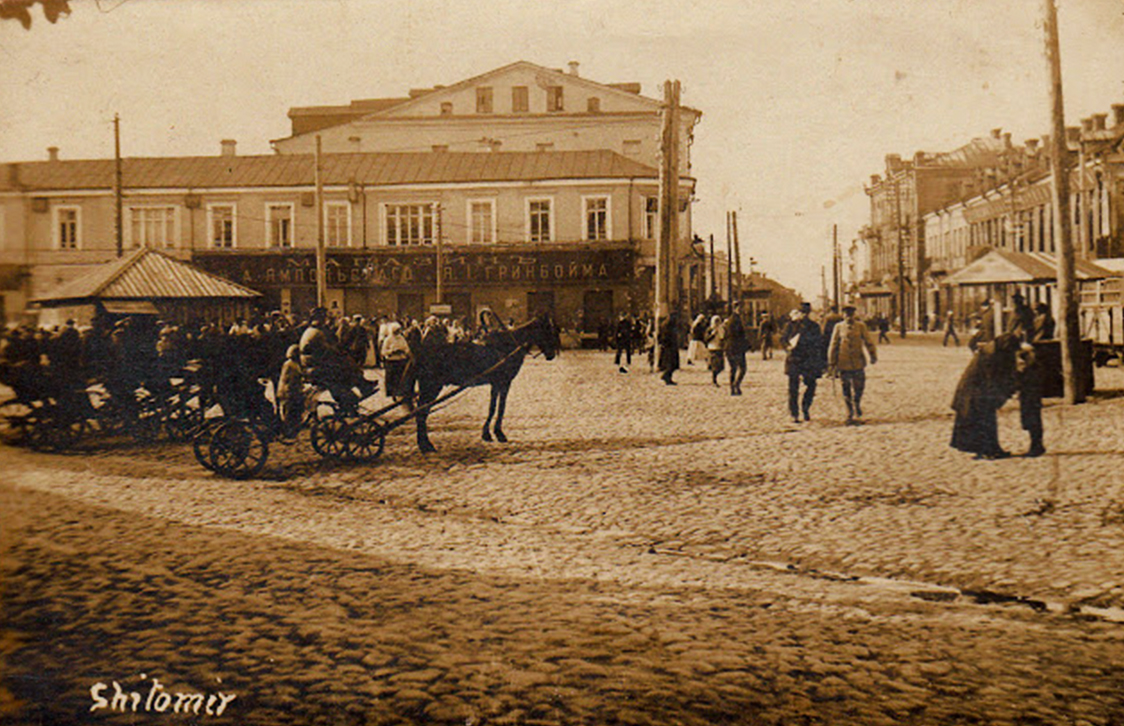
Of the salaries of inspectors, cashiers, and farm managers who used the state-owned apartment, one-fifth of the deductions went to pay for housing rented by employees. The reports that the Zhytomyr branch was to provide to the Kyiv office should indicate the amount of basic salaries paid, the amount of deductions from the “canteen” money; the amount of payments 40% or 50% of remuneration; the size of all allowances.
Interestingly, despite the difficult situation in which the Ukrainian state found itself, the management of banking institutions did not forget about the need to implement social programs, although sometimes they concerned only individual branches. On the eve of the new 1918-1919 school year, the manager of the Zhytomyr branch of the state bank addressed the management of the central institution about the need to pay financial assistance to the bank’s employees “for the upbringing of children.”
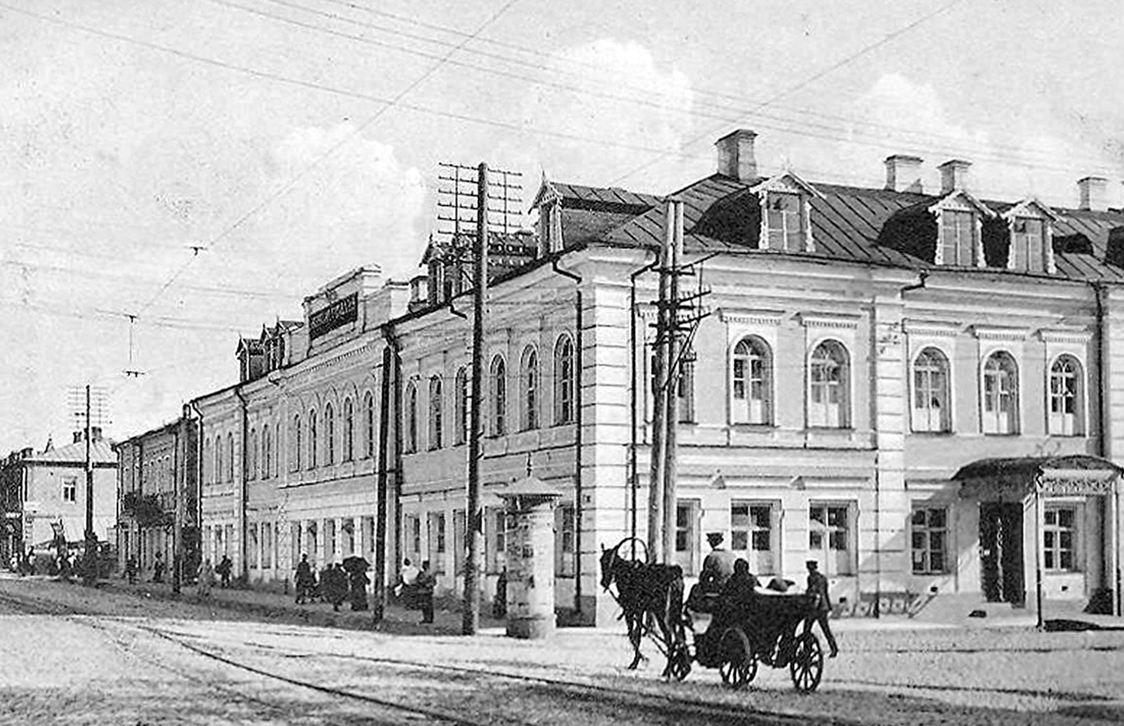
Employees received assistance in the amount of payment for the right to study, which are established in lower, higher secondary and higher educational institutions. Such assistance was meager, did not cover all costs, but the manager stressed that the moral and practical significance of these benefits was much greater: “officials appreciated this type of assistance, felt obliged to use it for its intended purpose, so this duty, despite its complexity, the holiday was performed. Arguing his actions, the head indicated in the letter information about the cost of education in institutions of Zhytomyr during the 1918-1919 school year: in state men’s and women’s gymnasiums 230 rubles, in real school from 250 to 300 rubles, in private women’s gymnasiums, depending on class in which the pupil is, from 180 to 300 rubles. In a commercial school in the preparatory class of 250 rubles. and in the following classes – 300 rubles for a year”.
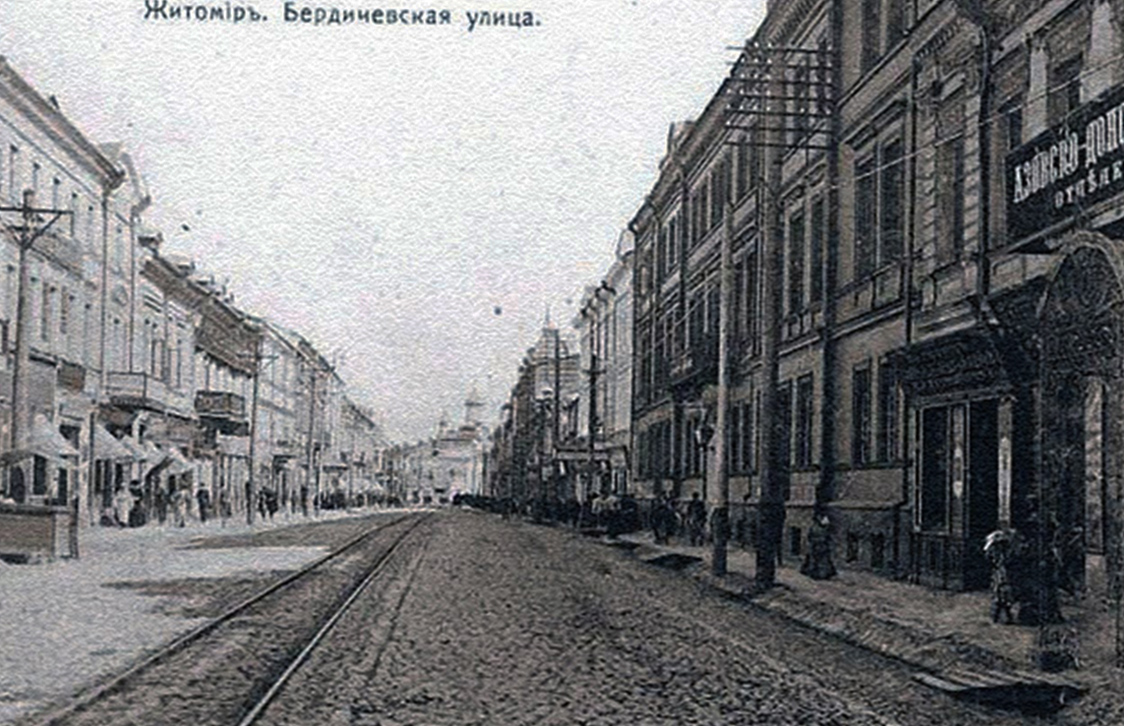
The general economic situation in the country at that time remained extremely difficult, despite significant efforts by the Hetman’s government. Simultaneous circulation of various banknotes complicated the functioning of banking institutions: bank employees were overwhelmed, there was an acute shortage of qualified human resources. A significant number of various banknotes in circulation, the need for their exchange increased the turnover of the Zhytomyr branch of the Ukrainian State Bank, near which frantic queues were formed. Addressing the Office of the State Bank in Kyiv, the head of the branch stressed the need to expand the staff – he asked to introduce the position of rewriter, operations treasurer and two trainees with a monthly salary of 250 rubles.
Despite attempts to stabilize the situation in the country, Skoropadsky’s government did not retain power, and further development in Ukrainian history is known. But what is interesting: a century ago, as today, there was a demand for quality education and qualified human resources… History lessons are relentless if not learned in time. Maybe this reminder to appreciate educational opportunities and people who know and love their business will help descendants not to repeat mistakes?


