


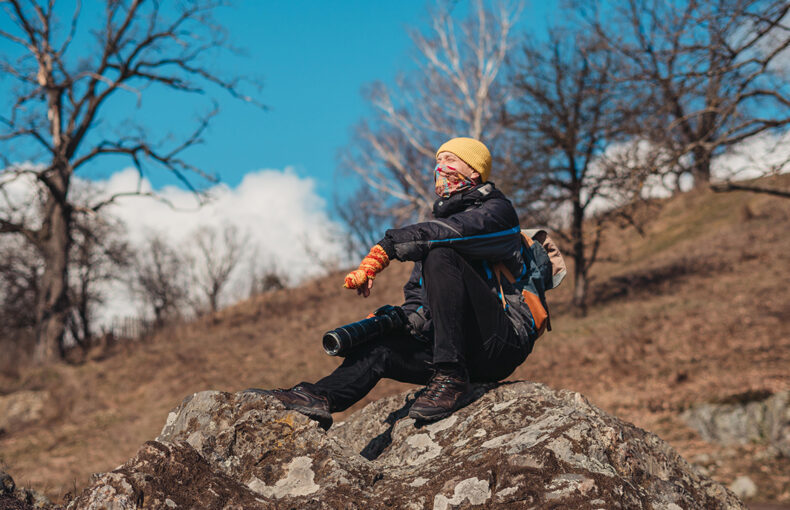
There is a legend in the East that birds do not know how to be sad. They have invaluable – eternal freedom. Disappointed, the birds fly high into the sky. And they fly until the tears dry up from the gusts of wind – they fly to a new happiness… A good legend, isn’t it? We do not know whether this or that inspired Ivan Lavrenchuk to become a bird lover, but it was he who told us about the extraordinary world of birds around us, which in our everyday life we often do not notice
«In fact, I’m far from ornithology, because I’m not a scientist and I don’t have a specialized education. I’m just a person who loves nature, but at some point I got a hobby – the world of birds. I started taking photos and discovering new things every time. To do this, in English there are the terms «birdwatching» or «twitching», but I do not always like these names. It’s easier to say that I watch birds. It might be appropriate to have your own definition in Ukrainian – «ptashing» or something like that»
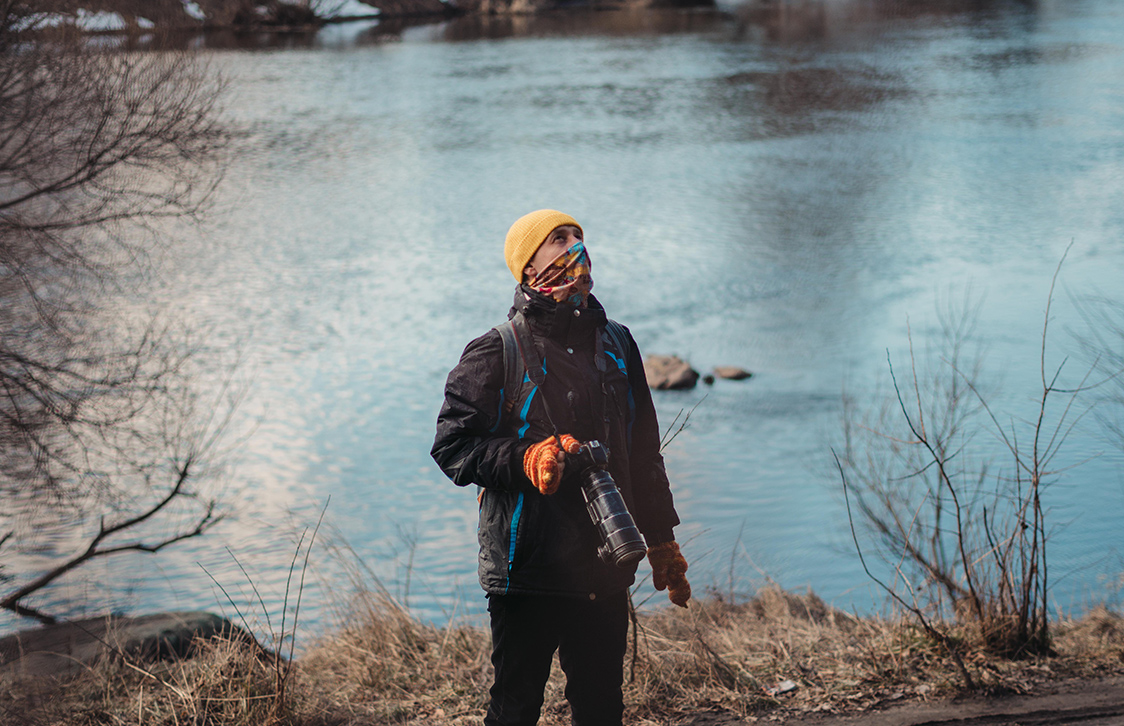
«The fascination with birds deepened after communicating with a wonderful man, photographer Viktor Kalinsky, who, unfortunately, is no longer with us. Listening to his stories about the diversity of birds of our region and looking at the beautiful pictures, at first it was hard to believe that all this is nearby. With some time, I decided to try to immerse myself in the world of birds around us. And also I was inspired by stories about birds of my classmate who lives in Kyiv»
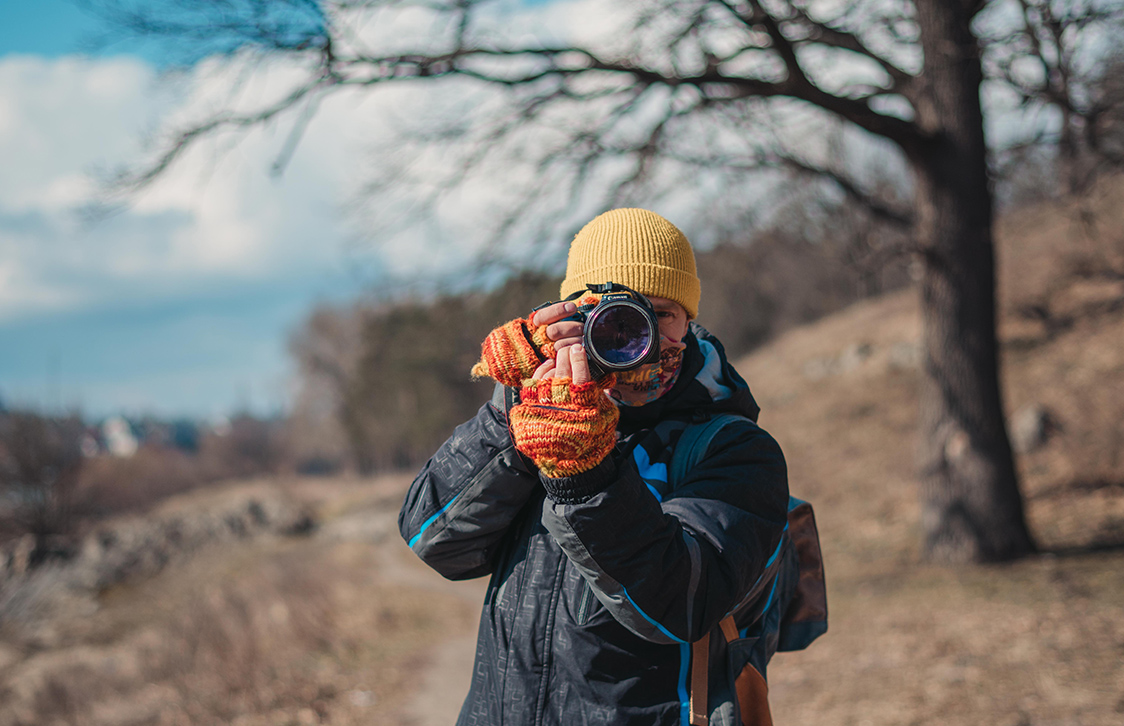
«Since childhood, I am interested in all living things and the world around me, walking and cycling. How can you not admire and not notice the moments that just exist. The fascination with birds became additional, tangible to everyday life. I just had to always have a camera with a telephoto lens. Sometimes interesting observations or personal discoveries were made in the middle of the city or while working at my house in the countryside. You raise your head, and there’s something spinning. You look closely – and this is a black stork, the cranes or osprey, a rare migratory bird that eats fish. Or somewhere I heard an interesting singing or whistling in a field or forest, walking somewhere. So I stopped, looked through the lens, clicked, and there was a small bird, or not at all small. For example, woodpecker or white-backed woodpecker – «Red Book of Ukraine»
«At first it was very difficult to know what kind of bird I saw or heard. But now there is a lot of information on the Internet. I compared my photos with birds on different resources, on the site “Birds of Ukraine”. If it was not possible to determine at all, I asked the specialists on Facebook… Sometimes there are books or articles online from the period of the USSR. I had to find a book of the early twentieth century about forests near Novohrad. It was translated into English, but I translated all kinds of birds to understand what was in them at that time and you won’t see much of it now. Of course, many new things have appeared – everything is changing: nature, climate»
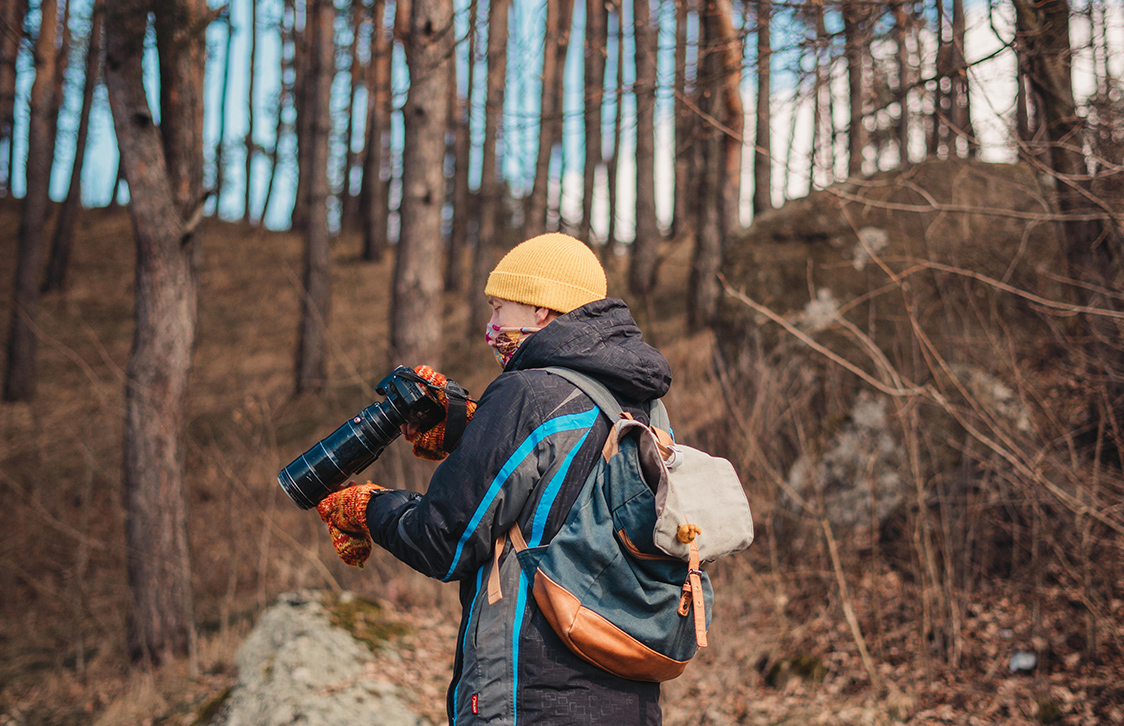
«My list of 200+ birds in Ukraine is small compared to others. I do not chase the numbers, although it is always very nice to discover a new species of birds. It’s like collecting, but it’s unpredictable and unconventional. I keep a list of birds I saw from the area near the house, almost in the center of the city, where there are already more than 40 different species. Of course, most of the flyovers are casual, and the regular city arrives at the feeder in the winter. I have already photographed more than 140 species in our Novohrad-Volynskyi district. Over time, even the singing and sounds can determine which of the birds is nearby. At once to hear if it is a new bird, and singing new. But there are tricks: for example, the blue-necked, and not only it, parodies the singing of other birds»
«There are a lot of birds in the Zhytomyr region. However, I can’t talk about the whole region, because sometimes even a difference of several kilometers is very noticeable. It depends on the area: the park, or the river bank in the city, the swamp or large fishery, the forest or fields that are forested, and of course, what time of year. Everything is very plastic and unpredictable, especially in autumn and spring, when the migration of birds begins. Sometimes in one day you can see dozens of birds of prey in the sky: buzzards, moonflies or hawks, or minnows»
«It took more than a year to gather information from various sources: hunters, villagers, foresters, and some printed materials in order to see and then, somehow, photograph the capercaillie listed in the “Red Book.” And I had to walk more than a dozen kilometers. When I already knew where these forest birds might be, every week in the spring I went to a specific area of the forest, which stretches for several tens of kilometers. Over time, the search yielded results, as the capercaillies were seen twice. It’s like a quest or a computer game where you discover areas of the map that you haven’t been to before, and at the same time you find wonderful places, landscapes, old trees and much more. It is impossible to describe in words»
«We walk from 15 to 30 kilometers along the areas of age-old forests, which are getting smaller, along the banks of forest rivers, swamps by ourselves or with friends. At times, the weather does not interfere, although in the cold rain is not very pleasant to walk in the woods, but it happens. This winter, in the cold above 20 degrees, I went myself, walked about 20 kilometers when there was a lot of snow. It is an interesting feeling when you do not meet people during the day, but only nature, wild animals and all kinds of adventures. And on the last frosty day of winter, when there was a maximum of snow, I got out into the woods on snowshoes, which made it much easier to move. There were no human footprints in the forest at all, only various animals. It was not easy, but 12 kilometers passed. Without snowshoes, I probably would be even more tired»
«On modern maps there are not so many small rivers and streams, although on the same maps of Schubert almost all have a name. My friend, who understands maps, creates them, ties them to the terrain, plots various objects, old tracts and rivers that have already been forgotten. He put on a modern map all the reserves, apparently, in the area too. We visited almost everyone in our area. Now he is developing a program for a smartphone with a forest quest, which we want to think about and to be available for everyone. First in the woods within the city, and then – further around the area. What will come out of this idea – we’ll see later»
«Owls are a separate story: it’s harder with them and most of them are still not open to me. I`ve found the feathers of a bearded owl, heard a sparrow owl screaming, but could not see them yet. The same with birds of prey – hawks and others. It is especially interesting to watch them: when something big «hangs» high in the sky, almost without flapping its wings, you understand all the grandeur and perfection of nature. Sometimes it is possible to take a close photo and see, and this is unbelievable. I have such feelings from all kinds of birds. Even a sparrow or a tit is wonderful»
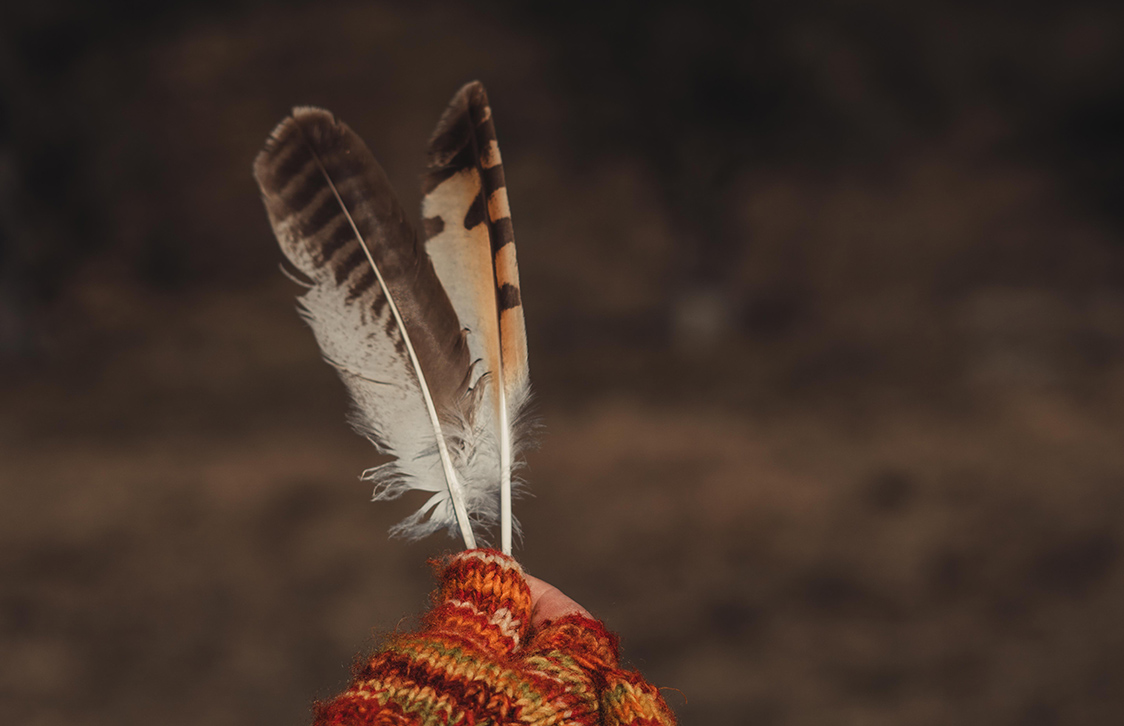
«I relax in nature… I think I could show our land to people. This is relevant for city dwellers, because you can count on your fingers those who are in the woods or outside the city just for a walk, not for frying the meat on the fire. We need to get people out of the «concrete jungle», out of their «birdhouses», at least for a day, to try to feel the space, their strength and understand who we are… There is a plan to help people get to the area where their ancestors lived, where they come from. Such a guide for the day»
«I really like talking to the villagers – old grandparents. Their dialect, simple phrases and stories, moments of fables or legends – it’s great. It is interesting to listen to jokes and simple everyday phrases or names of things that can only be heard in our area. For the vast majority of urban people, this is strange in general»
«Sometimes «birdwatchers» come from Kyiv or other cities, sometimes scientists with whom I share the coordinates of the nests of black storks or other rare birds. We have those who want to find a specific bird that has not been seen in their area. For example, they came to see a finch. They drove many kilometers, saw, but never took pictures. But is this the main thing? Now such leisure is becoming more and more popular in our country and in the world. Birdwatchers are ready to go to other countries, even to another continent, to pay money to find a specific species, or just to explore and photograph the world of birds in a specific region. I think Ukraine should become interesting for tourists in this regard. And amateur bird lovers do a great job of collecting data, which is then used by professional ornithologists. This practice prevails around the world: the more people, the more findings that allow a more accurate understanding of the distribution of a particular species»
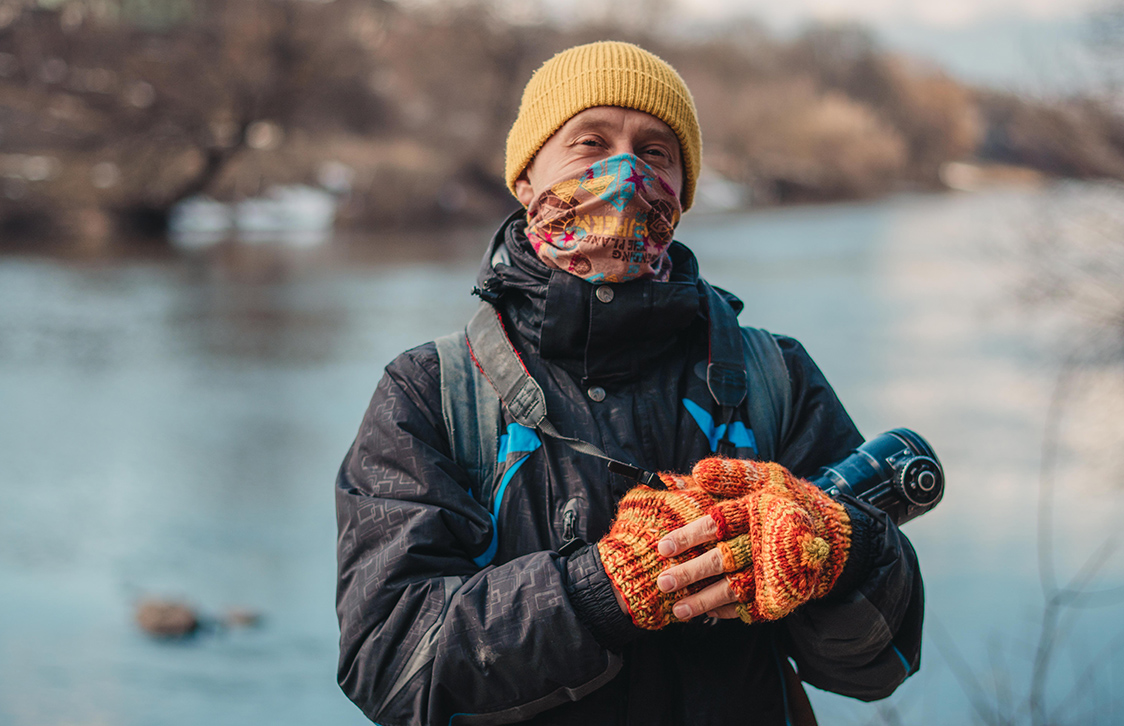
«Together with our museum of local lore, we introduced an ornithological tour of the city, which we managed to hold before quarantine. There were many people willing, especially children from local schools and kindergartens. During the first tour, the children found it interesting and unusual to understand that the world of birds within the city is so large. And every bird they saw during the walk was looked at with interest. During such excursions you can pay attention not only to birds, but simply to nature, plants, insects, talk about environmental issues. Children should be more often detached from the screens of smartphones and social networks, although this is not easy to do. Many people are really interested – there is hope for them. It is necessary to teach a caring attitude to the planet on the example of your hometown or village: to say that you can`t burn grass along rivers, litter in the woods, kill living beings. It would be good to teach children to be a part of this world, to live in harmony with it and with themselves. And on such walks children will learn endurance, willpower, minimal skills of orientation in space… Long ago my parents and grandparents taught me this as a child»


