


If you think that the crisis is destroying the world, this material is definitely not for you. If you perceive the world as a whirlpool of events and adventures, you adore unusual situations, come with us! The stories of the creation of the five most famous companies in the world are stories of great hope, tireless work, creative search. These are bitter tears and sincere smiles, clenched fists and palms open for greeting, a deafening groan of defeats and a joyful cry of long-awaited victory. We are about life stories of people who went from small businesses to running world-renowned companies
Howard Schultz “The History of Starbucks. It all started with a cup of coffee…”
Not surprisingly, Howard looks like someone who loves Starbucks, the company he created. His passion for innovation, coffee and perfect performance is contagious, so learning about his leadership style is actually very helpful. This story is especially important for those whose company is experiencing rapid growth. Howard Schultz shares the story of a time when Starbucks “went astray” as it covered more than 20,000 stores.
“This is exactly what we entrepreneurs do: we take something ordinary, fill it with new emotions and meanings, and then tell people its story again and again”
As a big business owner, the author emphasizes that culture and values are extremely important if you want to make a company powerful and famous. As the hero of this true story aptly put it, the very combination of many little things is the cause of both the company’s demise and its growth. Passion and dedication, complete immersion in work in times of overcoming challenges – this is a sign of true leadership, according to Howard Schultz. In addition, the author is endowed with the ability to openly share not only victories, but also to talk about their own shortcomings. This courage and openness will allow readers of history not to make such mistakes in their own way. This book is about the passion and dedication that affects both small firms and large corporations.

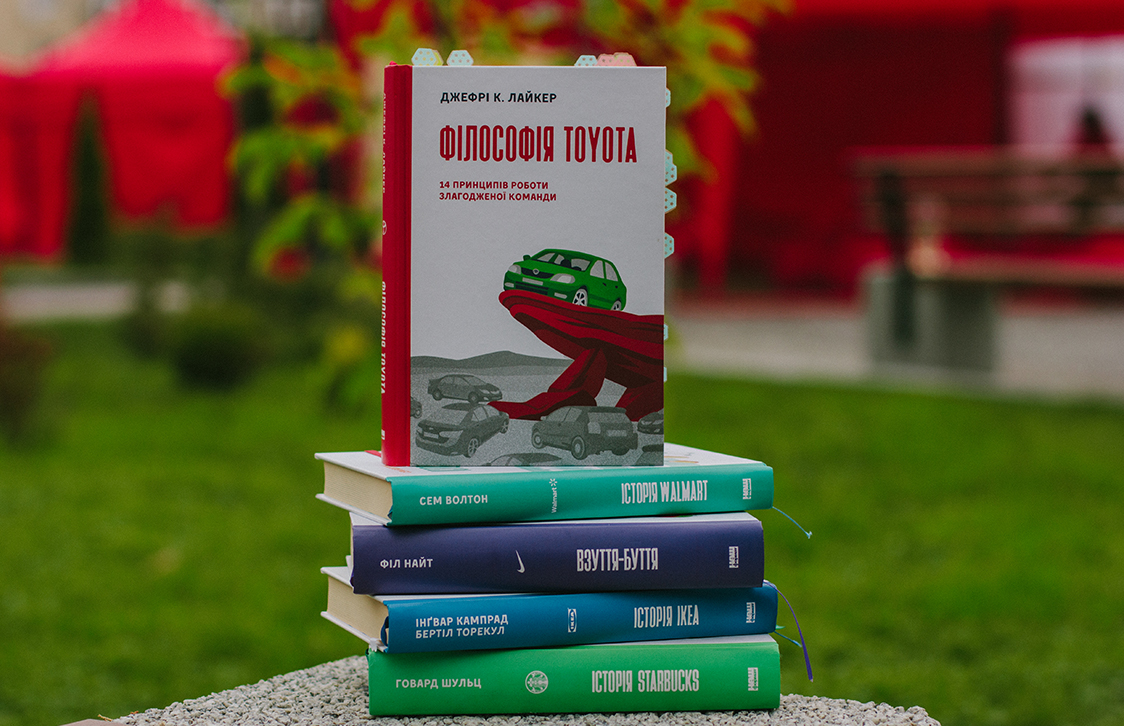
Jeffrey K. Liker “Toyota Philosophy. 14 principles of work of the coordinated team”
At plants around the world, Toyota produces the highest quality cars, using fewer operating hours, fewer stocks on hand and half the area of its competitors. This is the first book for a wide audience that explains the management principles and business philosophy that underlie Toyota’s global reputation for quality and reliability. The fourteen Toyota Way management principles create the ideal environment for implementing Lean methods and tools.
“No one likes to be forced to follow rules and procedures developed by others. The imposed rules, which are strictly monitored, become a source of violence and lead to misunderstandings and confrontation”
Toyota’s main credo is extreme flexibility in solving the problem, not a model of hierarchy, focusing on efficiency from the moment of ordering to payment by customers. The company must constantly change to respond to challenges, so the author considers it important to find a person or product that can revolutionize. And in such conditions it is much better to be the biggest competitor than to give this position to anyone else. The book will interest not only the experience of the author, but also the approach to the implementation of the concept of Lean-management.
Phil Knight “Shoes-Being. The story of Nike, told by its founder“
A real and sensual story about a company that gave us a lot of cool products and entertained with quality advertising campaigns with show business stars, athletes and influencers.
“Like books, sport gives people the feeling that they are living the lives of others, gives them the opportunity to participate in the victories of others…. When sport reaches its peaks, the spirit of the fan merges with the spirit of the athlete, and in this fusion, in this spiritual movement, the unity of which the mystics speak is manifested”
This book is eloquent and convincing, although some events are perceived as absolutely fantastic despite the very life and everyday events. Knight modestly remarks that he did not deserve the loyalty he received from excellent employees, appreciating their contribution to the development of Nike. Readers feel like observers of building and developing a successful business from embryo to victory, and the above facts are supported by figures: annual income, the size of a bank loan and contract prices. It is an open and honest story about the life of a man who lost his son, about doubts and pain. Phil’s most valuable piece of advice, which he shared during a book tour in Portland, reads: “The only time you shouldn’t fail is the last time you try.” The author’s story proves that the American dream is still alive. And although the path to it may not be easy, we always have opportunities.

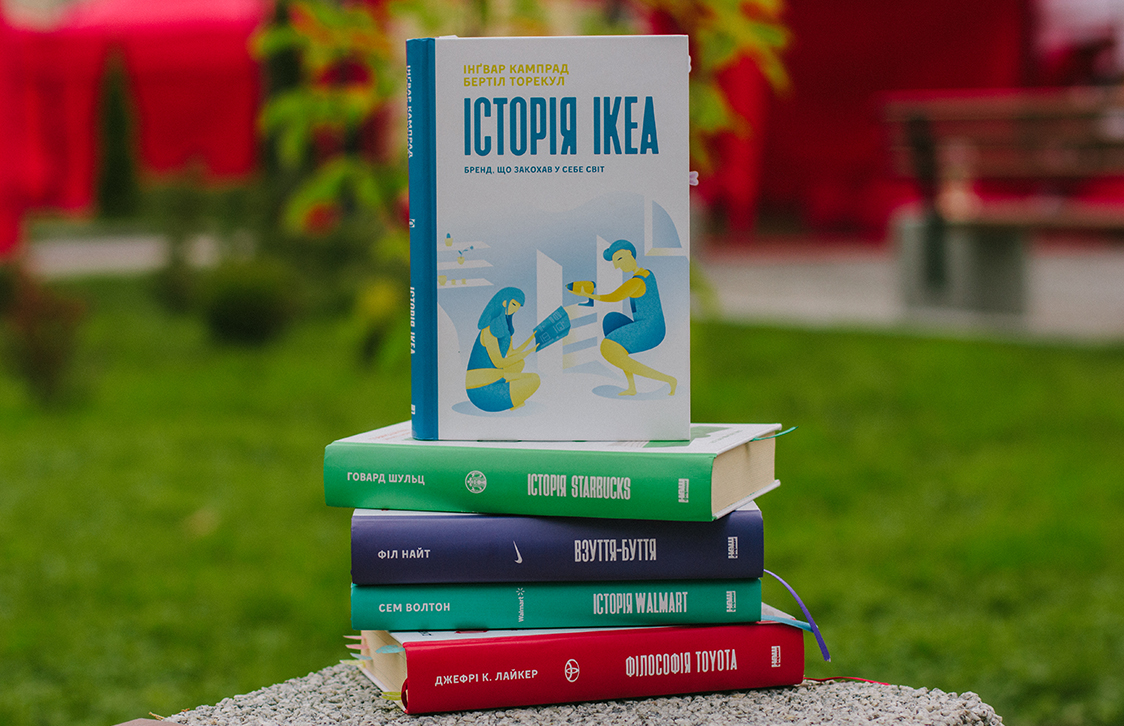
Ingvar Kamprad, Bertil Torekul “History of IKEA. A brand that has fallen in love with the world “
The book certainly does not claim the title of a grand epic, but it is no less fascinating. The author’s goal is to give an idea of how this great company was created and why it thrives to this day. A vivid and often humorous account of Ingvar Kamprad’s philosophy has a chance to interest even those who know nothing about the IKEA empire. The history of the company is a good example of practical thinking and open mind, especially when it comes to logistics, packaging and other important details.
“Only those who sleep are not mistaken. Making mistakes is the privilege of active people who know how to correct their mistakes and choose the right path”
The appendix, which avenges the book, can be considered perhaps the best part of it – it contains a copy of the IKEA manifesto “Testament of the furniture dealer.” Torekul notes that IKEA’s future may not be as bright as its past: Kamprad’s sons tend to sit in silent obedience when their father is in the room, and IKEA’s new projects still come from Kamprad himself. Who knows what will happen next. Let’s see.
Sam Walton “The History of WALMART. Made in America”
To choose a good way to apply for a company, you should talk about the most important thing in it – the customer.
Sam Walton is the founder of the world’s largest company, Walmart, which now has more than two million employees. The author grew up selling things, and realized very early on that he wanted to work in a business built on retail. Initially, he involved almost the entire family in the work of companies that were founded to implement a great idea called Walmart. One of Walton’s best traits was flexibility, which helped him feel the spirit of the times.
“There was not a single trip, whether it was a family trip or a business trip, the plan of which would not have been changed at least once after we were on the road. Years later, we all laughed at some writers. They portrayed Dad as a great strategist who intuitively developed complex plans and put them into practice with unprecedented accuracy. In fact, my father was successful because of his ability to rebuild and change, and none of his decisions were seen as sacred and inviolable”
The author of the book goes from the time when you have to value every dollar to the era of mastery of a huge company. Walton’s autobiography focuses not only on people who are interested in the history of Walmart, but also on ambitious entrepreneurs who are ready to invest in development.

The five life stories of people who have found their way and created economic models are not like step-by-step instructions for raising wealth. However, these stories will definitely teach you to love the work you do, to value time and opportunities and, of course, the people around you. With this you can definitely try to conquer the world!


