


Fantastic novels, which show us the realities of the post-apocalyptic world, do not ignore the details of life and everyday details. And if not everyone is lucky enough to get into the future (such is life), then you can still look into the past. We are not talking about the time machine at all, but about the work of historians. Despite the well-known advice of one literary character who did not advise reading newspapers, this source of information can give an idea of the life of the inhabitants of Zhytomyr region centuries ago
The period of the Ukrainian Revolution of 1917-1921 went down in history as a time of new political decisions and sharp confrontations, when the usual way of life, its rhythm and certain norms and rules were destroyed. The general upsurge, the activity of political movements and parties, and the kaleidoscopic nature of changes in government generated a demand for up-to-date information and required platforms for the dissemination of ideas and views. Newspapers were almost the only source of information.
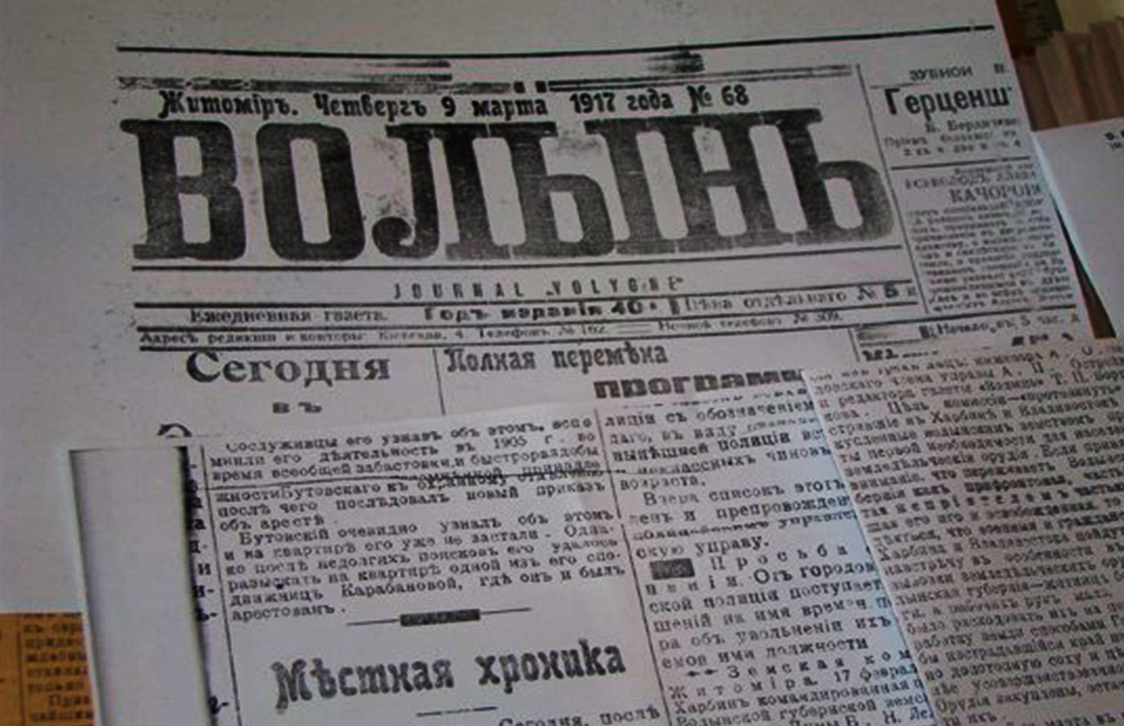
As events unfolded extremely quickly, the demand was insane – people wanted to get the most complete picture of events. The “news” famine led to an incredible rise in the price of newspapers, which were compared to stocks. The local newspaper Volynskoye Slovo of March 5, 1917, surprised readers with its press prices in the capital of the empire, which offered 1,000 rubles per copy.

It was not just information that was a problem. During military events, there is always a need to maintain law and order, and a hundred years ago, as now, there was a “staff shortage.” In the March 1917 issues of the Zhytomyr newspapers, advertisements appeared: “Retired servicemen who retired due to injuries and due to their unfitness for military service are invited to obtain positions in the Zhytomyr Public Police. Find out the details and conditions of the service at the police station. Police Chief S. Brzozowski.”
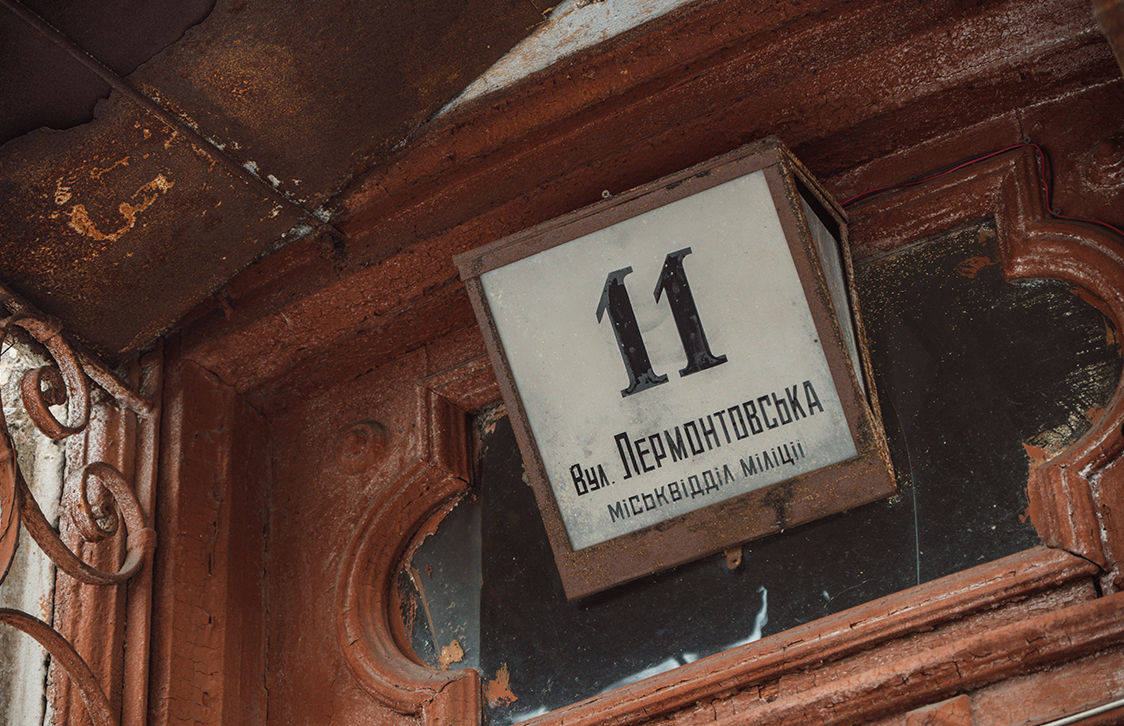
The urgent need to organize the proper work of law enforcement was also explained by the fact that in the summer of 1917 the situation with the provision of food to residents worsened. On June 17, 1917, a bread and flour card system was introduced in Zhytomyr, and the Zhytomyr City Food Administration and Public Police were responsible for overseeing the implementation of the resolution and bringing the perpetrators to justice. Of course, there were problems with alcohol abuse, which was actively fought at all levels. The explanation was also given in the press: “The best way to combat this phenomenon is the introduction of compulsory labor. “The Green Snake, in the light of freedom, has resumed its frantic dance and threatens to draw into the drunken circle even those who betrayed it during the temporary suspension of drunkenness.” It is difficult to say whether this method was effective – the newspapers did not write about it. However, the further course of historical events shows that in Soviet times, occupational therapy became a “universal” tool for influencing people.

Then, a hundred years ago, the city lived with its problems, and one of them was transport. Residents of the city had to be informed about the new rules for using public transport: on the pillars near the sidewalk. Stops in such places are not obligatory if there are no people willing to get in or out of the vehicle.” Now this may seem strange to us, but at that time there were no clearly defined places for tram stops. One hundred years ago, routes were called lines. There were three of them in Zhytomyr: Berdychiv, Kyiv and Vilsk. It was during the time of the complete military-revolutionary devastation that various versions of local “money” appeared. The management of the Zhytomyr branch of the state bank decided to provide customers with bank checks instead of cash, and government, city and county agencies recognized them as sufficiently secured and unquestionably payment marks.

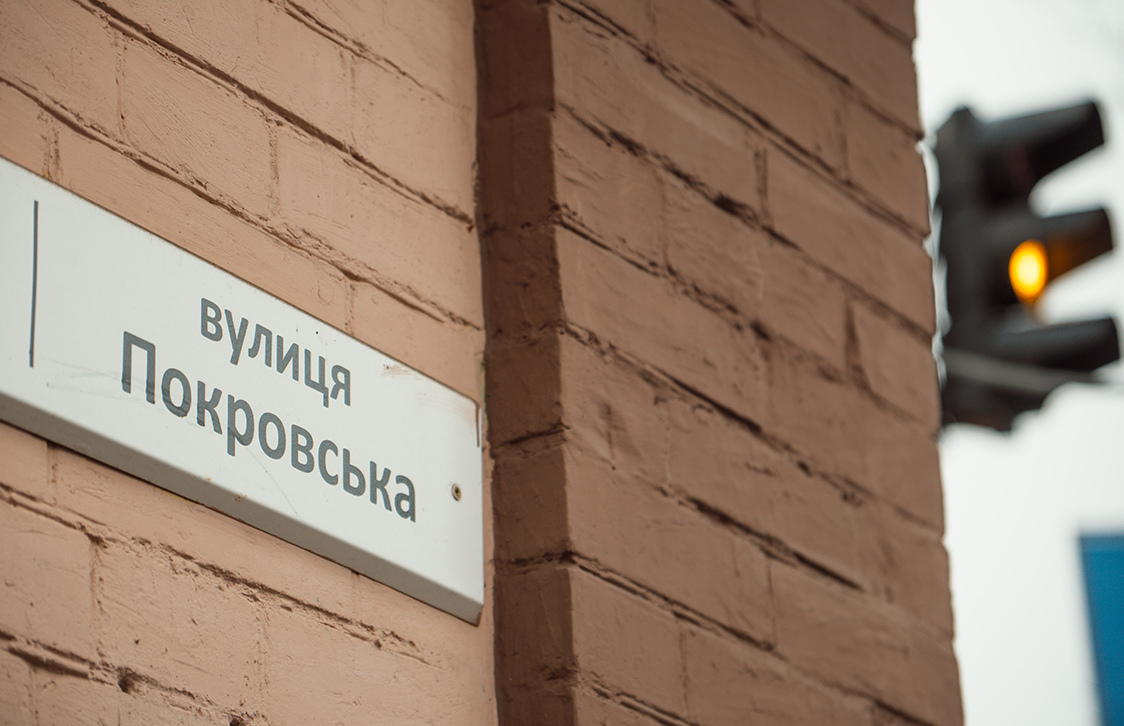
During the Hetmanate, several months of 1918 were marked by relative calm and the return of Zhytomyr residents to a more habitual, measured life. The Volyn newspaper reported on the opening of government-run secondary schools in Zhytomyr. One of them was located on Petrogradska Street, 19. In a hundred years, the name of the street has changed many times: from the Great St. Petersburg to Petrogradska, there were times when the street was named after Shchors. Today it is Pokrovska Street. However, the premises where the evening gymnasium for adults was opened have not been preserved. Also at that time in Zhytomyr the L.Y. Stul Gymnasium was opened, an art school for sewing “exquisite shoes”, there were announcements of private dance lessons by Warsaw Ballet dancer D. Kozlowski, piano playing and music theory to prepare teachers for pedagogical activity and admission to the conservatory. Gradually, the city began to revive – again began to actively operate theaters and cinemas. The local press invited Zhytomyr residents to the city theater, where the play “Marusya Boguslavka” took place, to Khoroshansky’s large garden for the play “Old Men and Girls”, to the Myanovsky Little Theater for the film “Buyers of Soul and Body”, to the “Lux” cinema,to the film “The Devil”, which was accompanied by a performance of the ballerina.
Surprisingly, for the history of the century – not such a long time. Like today, a hundred years ago, people just wanted to live, go to theaters and movies, ride peaceful quiet streets, work. Maybe you and I should sometimes travel the pages of history to learn its lessons and not repeat mistakes…


